

How to Install a Chain Link Fence: A Comprehensive Step-by-Step Guide
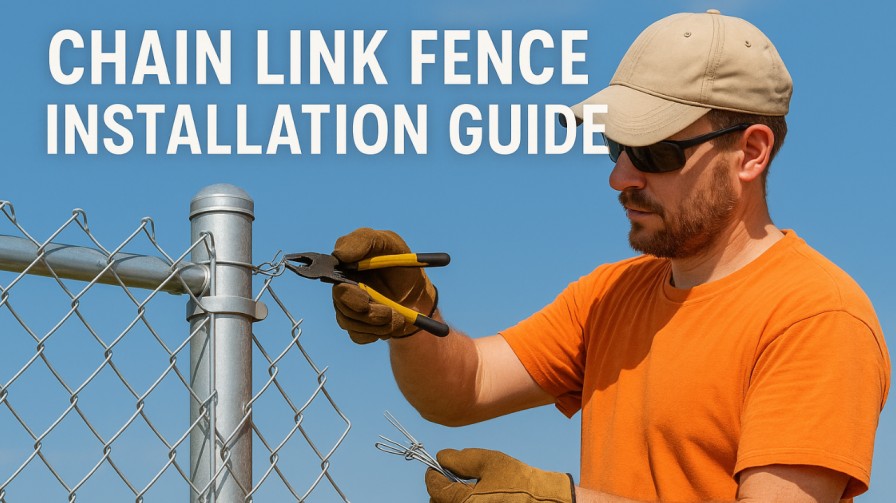
Installing a chain link fence is one of the most practical ways to add security, define property lines, and create a durable boundary around your yard or commercial space. If you want a fencing option that is affordable, low maintenance, and built to last, chain link is often the first choice.
This guide explains how to install a chain link fence step by step, from planning the layout to stretching the fence fabric and hanging the gate. Whether you are tackling a DIY backyard project or researching the process before hiring a contractor, these steps will help you understand what goes into a clean, long-lasting installation.
Before You Install a Chain Link Fence
Before you begin, take a little time to plan properly. Good prep work helps prevent expensive mistakes later.
Start by confirming your property line so your fence stays within your lot. Then check local code requirements, neighborhood restrictions, and any permit rules that may apply in your area. It is also smart to have underground utility lines marked before digging post holes.
A chain link fence may look simple, but the long-term strength of the fence depends heavily on layout, post placement, and how well the fabric is stretched.
Tools and Materials You’ll Need
For a typical chain link fence installation, gather these materials first:
- Chain link fence fabric
- Terminal posts for ends, corners, and gates
- Line posts
- Top rail
- Tension bars
- Tension bands and brace bands
- Post caps and loop caps
- Fence ties
- Concrete mix
- Gravel
- Gate hardware and latch if needed
You’ll also want these tools nearby:
- Tape measure
- String line and stakes
- Level
- Post hole digger or auger
- Shovel
- Socket wrench
- Pliers
- Tamping rod
- Come-along or fence puller
Step 1: Plan Your Fence Layout
Begin by outlining the full fence line with stakes and string. Mark all corners, ends, and gate openings first. These are your terminal post locations.
Once those are set, measure the distance between them and determine where the line posts will go. Keeping your layout straight at this stage makes the rest of the project much easier.
Step 2: Mark Post Placement
After the fence line is set, mark the position of each post along the run. For most chain link fences, line posts are spaced evenly, often around 6 to 10 feet apart depending on fence design and site conditions.
Make sure your spacing is consistent. Uneven post placement can throw off the top rail and make the fence fabric harder to stretch correctly.
Step 3: Dig the Post Holes
Next, dig the post holes. Terminal posts usually need deeper and wider holes than line posts because they carry more tension.
As a general starting point:
- Terminal post holes should be deep and wide enough to handle the pull of the fence
- A gravel base at the bottom can help with drainage
- Line post holes should stay consistent across the run for a clean final look
If the ground is rocky, sloped, or difficult to work with, the digging stage may take more time than expected.
Step 4: Set Terminal Posts in Concrete
Set all end posts, corner posts, and gate posts first. Place each post into its hole, check that it is plumb, and pour concrete around it.
These posts are critical because they support the tension of the entire fence. Take your time here. If a terminal post is off, the finished fence may lean, sag, or look uneven.
Let the concrete cure before moving on to the next stage.
Step 5: Install the Line Posts
Once the terminal posts are secure, use a string line to guide the rest of the installation. Set the line posts so they stay aligned and consistent in height.
This part is important for appearance and performance. Straight posts make it easier to install the top rail and help the fence fabric sit evenly from one end to the other.
Step 6: Add Bands, Caps, and Top Rail
With the posts in place, add the necessary fittings to the terminal posts, including tension bands and brace bands. Install post caps and loop caps, then run the top rail through the line posts.
The top rail ties the whole fence together and adds stability. Make sure each connection is secure and properly aligned before moving on.
Step 7: Attach the Chain Link Fabric
Roll out the chain link fabric along the outside of the fence line. Insert a tension bar through the first row of mesh and connect it to the terminal post using the tension bands.
At this point, the fence should be attached at one end but still loose across the rest of the run.
Step 8: Stretch and Secure the Fence
This is where the fence really takes shape. Use a come-along or fence puller to stretch the fabric until it is tight and even. The mesh should be taut, but not over-pulled.
Once the fabric is stretched correctly:
- Attach it to the opposite terminal post with another tension bar
- Tie the mesh to the top rail
- Secure it to each line post with fence ties
- Trim or adjust excess fabric as needed
A properly stretched fence looks cleaner and performs better over time.
Step 9: Install the Gate
If your project includes a gate, attach the hinges and latch hardware to the gate post. Hang the gate carefully, check the swing, and make sure the alignment is level.
A gate that binds or sags usually means the post alignment or hardware adjustment needs correction.
Common Chain Link Fence Installation Mistakes
Even a straightforward DIY fence project can go wrong if the basics are rushed. Here are a few of the most common mistakes:
- Skipping layout planning
- Digging shallow post holes
- Setting posts out of alignment
- Not waiting long enough for concrete to cure
- Overstretching or under-stretching the fabric
- Forgetting to check local code or utility lines before digging
Avoiding these problems can save a lot of time, money, and rework.
Should You DIY or Hire a Fence Contractor?
A DIY chain link fence project can work well for smaller, level properties if you have the tools and time. But if the layout includes slopes, gate openings, long fence runs, or difficult ground conditions, professional installation may be the better choice.
Hiring a fence contractor can help ensure accurate layout, strong post setting, cleaner gate installation, and a finished fence that holds up well over time.
Conclusion
Now that you know how to install a chain link fence, the process becomes much easier to plan. The keys are simple: start with a straight layout, set the posts correctly, use the proper fittings, and stretch the fabric evenly.
If you want the look and durability of a professionally installed fence without the trial and error of DIY work, All Seasons Fence can help with expert chain link fence installation and service across Fairhaven, New Bedford, Dartmouth, Westport, Middleboro, Wareham, Mattapoisett, and nearby areas.
FAQs About Chain Link Fence Installation
How deep should chain link fence posts be?
Post depth depends on the height of the fence, soil conditions, and local code, but posts need to be deep enough to provide long-term stability.
Can I install a chain link fence myself?
Yes, many homeowners handle small DIY projects successfully, especially on flat and simple layouts.
Do chain link fence posts need concrete?
In most permanent installations, concrete is recommended because it improves strength and durability.
How long does a chain link fence last?
With proper installation and maintenance, a chain link fence can last for many years.
What is the hardest part of installing a chain link fence?
For many DIY installers, the hardest parts are setting posts accurately and stretching the fabric evenly.

