

What to Do After Storm Damage to Your Fence
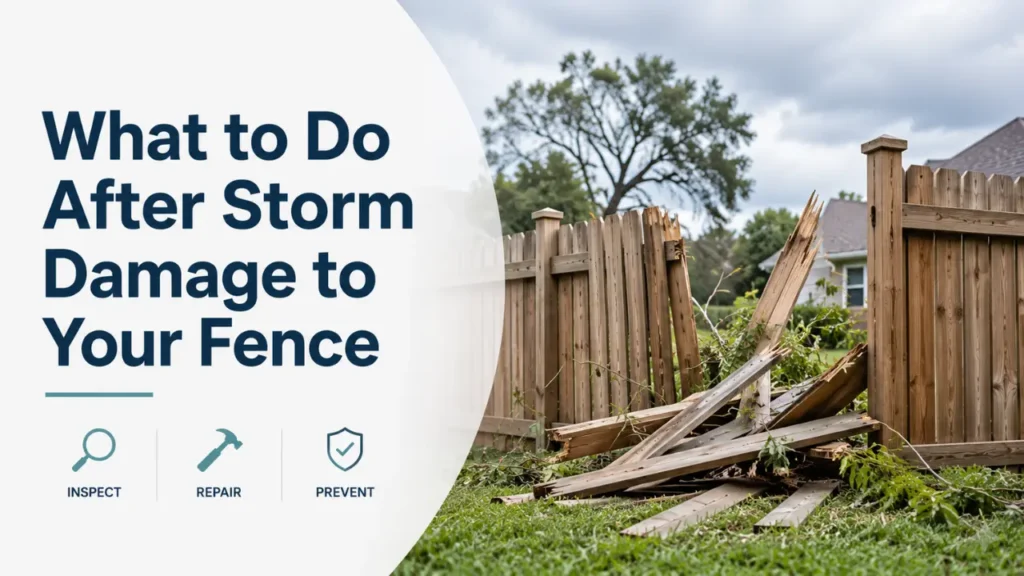
Severe storms can leave behind a trail of damage, and fences are often among the first structures affected. Strong winds, heavy rain, fallen tree limbs, and flying debris can weaken or destroy sections of your fence, leaving your property exposed and vulnerable.
If your fence has been damaged by a storm, taking the right steps immediately afterward can help minimize repair costs, improve safety, and speed up the restoration process. Whether you’re dealing with a few broken boards or a completely collapsed fence, this guide explains exactly what to do after storm damage to your fence.
Step 1: Prioritize Safety First
Before inspecting your fence, make sure the area is safe.
Watch for Hazards
Storms can leave behind dangerous conditions, including:
- Downed power lines
- Unstable fence sections
- Broken tree limbs
- Flooded areas
- Sharp debris
Never approach damaged fencing if electrical wires are nearby. Contact utility providers immediately if power lines are involved.
Keep Children and Pets Away
A damaged fence may no longer provide security. Keep children and pets away from unstable areas until repairs are completed.
Step 2: Assess the Extent of the Damage
Once conditions are safe, conduct a careful inspection of the entire fence.
Check for Common Types of Damage
Look for:
- Broken fence panels
- Missing pickets or boards
- Leaning sections
- Cracked posts
- Detached gates
- Bent metal components
- Signs of uprooted foundations
Walk the full perimeter of your property to ensure no damage is overlooked.
Determine Whether Damage Is Cosmetic or Structural
Minor cosmetic issues may only require simple repairs, while structural problems can affect the stability of the entire fence.
Examples of cosmetic damage include:
- Scratches
- Small cracks
- Paint damage
Examples of structural damage include:
- Broken posts
- Collapsed sections
- Significant leaning
- Large missing panels
Step 3: Document Everything
Proper documentation is essential if you plan to file an insurance claim.
Take Detailed Photos
Capture:
- Wide shots of the entire fence
- Close-up images of damaged areas
- Fallen trees or debris that caused the damage
- Multiple angles of affected sections
Record Important Details
Make notes about:
- Date of the storm
- Type of damage observed
- Approximate size of affected areas
- Any emergency repairs performed
The more evidence you have, the smoother the claims process is likely to be.
Step 4: Contact Your Insurance Company
Depending on your homeowner’s insurance policy, storm-related fence damage may be covered.
Ask Your Insurance Provider About:
- Coverage limits
- Deductible requirements
- Claim procedures
- Documentation requirements
- Approved contractor guidelines
Many insurance companies require prompt reporting after storm damage occurs.
Save All Receipts
Keep records for:
- Temporary repairs
- Debris removal
- Contractor estimates
- Replacement materials
These expenses may be relevant to your claim.
Step 5: Prevent Further Damage
Temporary measures can help protect your property while permanent repairs are being arranged.
Secure Loose Sections
If safe to do so:
- Brace leaning panels
- Remove hanging boards
- Reinforce unstable gates
Remove Debris Carefully
Tree limbs and storm debris can place additional stress on damaged fencing. Remove debris carefully to prevent further structural damage.
Consider Temporary Fencing
If your fence secures pets, children, or a pool area, temporary fencing may be necessary until repairs are completed.
Step 6: Decide Between Repair and Replacement
Not every storm-damaged fence requires complete replacement.
Repair May Be the Best Option If:
- Damage is limited to a few sections
- Most posts remain solid
- The fence is relatively new
- Repair costs are significantly lower than replacement
Replacement May Be Better If:
- Multiple sections are destroyed
- Several posts have failed
- The fence is already old or deteriorating
- Repair costs exceed roughly half the cost of a new fence
A professional fence contractor can provide an assessment and recommend the most cost-effective solution.
Step 7: Hire a Professional Fence Contractor
Storm damage can sometimes appear less severe than it actually is. Hidden structural issues may not be visible to homeowners.
Benefits of Professional Inspection
Experienced contractors can identify:
- Hidden post damage
- Foundation issues
- Structural weaknesses
- Long-term repair needs
Professional repairs also ensure your fence complies with local codes and safety requirements.
How to Prevent Future Storm Damage
While no fence is completely storm-proof, certain measures can improve resilience.
Choose Durable Materials
Storm-resistant options include:
- Vinyl fencing
- Aluminum fencing
- Composite fencing
- Pressure-treated wood
Reinforce Fence Posts
Properly installed posts with adequate depth provide greater wind resistance.
Trim Nearby Trees
Overhanging branches are one of the leading causes of fence damage during storms.
Perform Regular Maintenance
Routine inspections help identify small issues before severe weather turns them into major problems.
Signs You Need Immediate Fence Repair
Contact a fence professional immediately if you notice:
- Fence sections leaning significantly
- Posts pulled from the ground
- Large gaps creating security concerns
- Gates that no longer function properly
- Structural instability along the fence line
Delaying repairs can lead to additional damage and increased costs.
Final Thoughts
Storm damage can be frustrating, but taking the right steps immediately after a storm can make recovery much easier. Start by ensuring safety, thoroughly documenting the damage, contacting your insurance provider, and securing the affected area. From there, determine whether repair or replacement is the most practical solution.
A prompt response not only protects your property but can also prevent further deterioration and reduce long-term expenses. With proper repairs and preventative maintenance, your fence can continue providing security, privacy, and curb appeal for years to come.