

Best Fence Materials for Coastal Massachusetts Homes
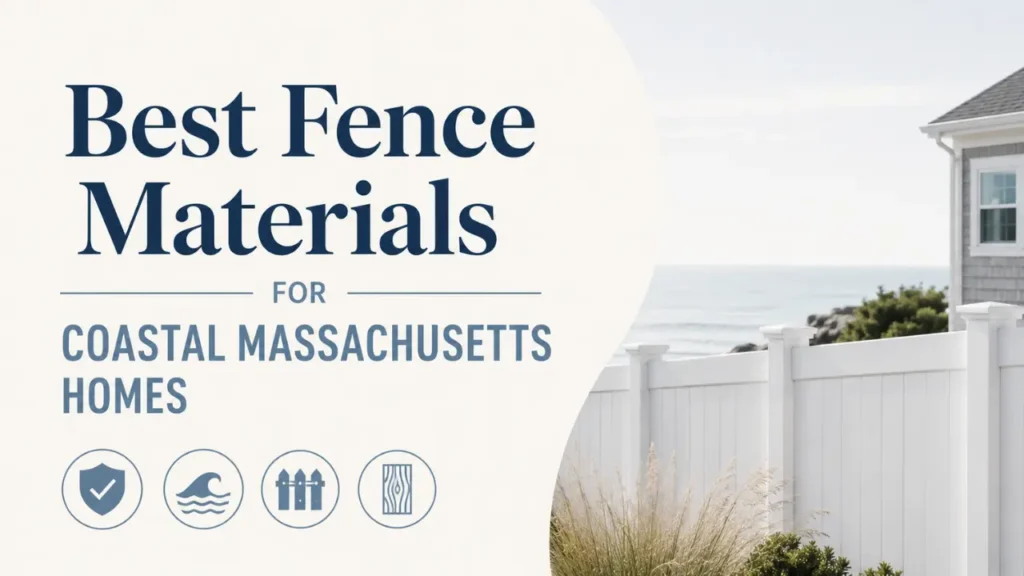
Living along the Massachusetts coastline offers beautiful ocean views, fresh sea breezes, and a unique lifestyle. However, coastal environments can be extremely harsh on outdoor structures, including fences. Salt air, strong winds, moisture, and fluctuating temperatures can significantly reduce the lifespan of traditional fencing materials.
Choosing the right fence material is essential for homeowners who want long-lasting durability, minimal maintenance, and attractive curb appeal. In this guide, we’ll explore the best fence materials for coastal Massachusetts homes and explain why they perform well in challenging seaside conditions.
Why Coastal Conditions Are Tough on Fences
Before selecting a fence, it’s important to understand the challenges coastal weather creates.
Salt Air Corrosion
Salt carried by ocean winds can accelerate corrosion and deterioration, particularly on untreated metal fences.
High Humidity and Moisture
Coastal regions experience higher humidity levels, which can cause wood to rot, warp, or develop mold over time.
Strong Winds
Massachusetts coastal storms and nor’easters can place significant stress on fencing structures, making strength and stability essential.
Temperature Changes
Seasonal freeze-thaw cycles can weaken fence materials and foundations if they are not designed for harsh weather exposure.
1. Vinyl Fencing
Why Vinyl Is a Top Choice
Vinyl fencing is one of the most popular options for coastal homes because it resists moisture, salt air, and insect damage.
Benefits of Vinyl Fencing
- Resistant to salt corrosion
- Won’t rot or warp
- Minimal maintenance required
- Long lifespan of 20–30 years or more
- Available in various styles and colors
Unlike wood, vinyl does not absorb moisture, making it ideal for homes located near the ocean.
Potential Drawbacks
- Higher upfront cost than some wood fences
- Can crack under severe impact
For most coastal Massachusetts homeowners, vinyl provides an excellent balance of durability and appearance.
2. Aluminum Fencing
Best for Durability and Elegance
Aluminum fencing offers outstanding resistance to rust and corrosion, making it one of the best materials for waterfront properties.
Benefits of Aluminum Fencing
- Naturally rust-resistant
- Handles salt air exceptionally well
- Lightweight yet strong
- Low maintenance requirements
- Modern and attractive appearance
Powder-coated aluminum fences provide an additional layer of protection against coastal elements.
Potential Drawbacks
- Offers less privacy than solid panel fences
- Can be more expensive than chain-link fencing
Aluminum is especially popular for homes with ocean views because it provides security without blocking scenery.
3. Composite Fencing
A Premium Coastal Solution
Composite fencing combines recycled wood fibers and plastic materials to create a highly durable fence that mimics the appearance of natural wood.
Benefits of Composite Fencing
- Resists moisture and rot
- Not vulnerable to insect damage
- Withstands coastal weather conditions
- Requires very little maintenance
- Attractive wood-like appearance
Composite fences offer homeowners the beauty of wood without many of the maintenance challenges associated with coastal climates.
Potential Drawbacks
- Higher installation costs
- Heavier than vinyl fencing
Although more expensive initially, composite fencing often provides excellent long-term value.
4. Cedar Fencing
A Natural Wood Option
For homeowners who prefer a traditional wood fence, cedar is one of the best choices for coastal environments.
Benefits of Cedar Fencing
- Naturally resistant to insects
- Better moisture resistance than many wood species
- Attractive natural appearance
- Can be stained or painted
Cedar contains natural oils that help protect against decay and moisture damage.
Potential Drawbacks
- Requires ongoing maintenance
- May fade or weather over time
- Salt air can shorten lifespan if not properly maintained
Regular sealing and staining are essential to maximize the lifespan of cedar fencing near the coast.
5. Chain-Link Fencing with Protective Coating
Budget-Friendly and Durable
Modern chain-link fences with vinyl or galvanized coatings can perform well in coastal regions when properly maintained.
Benefits of Coated Chain-Link Fencing
- Affordable installation
- Strong and durable
- Resistant to corrosion when coated
- Low maintenance requirements
Potential Drawbacks
- Limited privacy
- Less decorative than other fencing options
This option works well for property boundaries, pet enclosures, and utility areas.
Fence Materials to Avoid Near the Coast
Some materials struggle in harsh coastal environments.
Untreated Wood
Untreated wood absorbs moisture and can quickly develop:
- Rot
- Mold
- Warping
- Structural weakness
Standard Steel Fencing
Unless specially coated, steel is highly susceptible to rust when exposed to salt air.
Low-Quality Metal Components
Cheap hardware, fasteners, and hinges often corrode rapidly near the ocean, even if the fence material itself is durable.
Additional Coastal Fence Protection Tips
Regardless of the material you choose, these maintenance practices can extend fence life:
Schedule Regular Inspections
Check for:
- Corrosion
- Loose hardware
- Cracks
- Storm damage
Wash Away Salt Residue
Occasionally rinsing fences with fresh water helps remove salt buildup.
Choose Marine-Grade Hardware
Using stainless steel or marine-grade fasteners can significantly improve durability.
Reinforce for Wind Resistance
Professional installation with properly set posts helps fences withstand coastal storms and strong winds.
Which Fence Material Is Best Overall?
For most coastal Massachusetts homes, the top choices are:
- Vinyl Fencing – Best overall combination of durability and low maintenance.
- Aluminum Fencing – Best for corrosion resistance and unobstructed views.
- Composite Fencing – Best premium option with wood-like aesthetics.
- Cedar Fencing – Best natural wood solution when properly maintained.
- Coated Chain-Link Fencing – Best budget-friendly choice.
Final Thoughts
Coastal Massachusetts homes face unique environmental challenges that can shorten the lifespan of ordinary fences. Salt air, moisture, wind, and seasonal weather require materials specifically designed to withstand harsh conditions.
Vinyl, aluminum, and composite fencing consistently deliver the best long-term performance near the coast, while cedar remains an attractive option for homeowners seeking a natural wood appearance. By selecting the right material and investing in professional installation and maintenance, you can enjoy a beautiful, durable fence that protects your property for decades.