

Fence Calculator: The Complete Expert Guide for Accurate Fence Planning
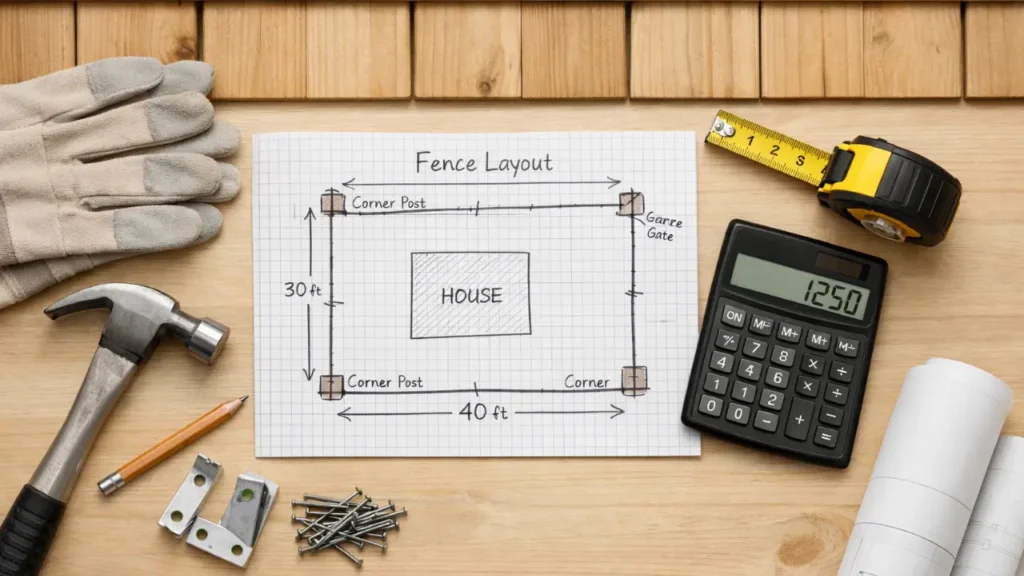
Planning a fence the right way starts with accurate measurements and a clear estimate of materials. Whether you’re installing a wooden fence, vinyl panels, chain-link fencing, or a modern composite style, the biggest challenge homeowners face is knowing how much material they actually need.
That’s where a fence calculator comes in.
A fence calculator is an easy-to-use fence measurement tool that helps you estimate the exact number of fence posts, panels, rails, pickets, and total fence length required. It saves time, reduces cost mistakes, and ensures your fencing project stays on budget.
This guide breaks everything down step-by-step so any homeowner can plan a fence like a professional.
What Is a Fence Calculator?
A fence calculator is an online tool that helps you figure out:
- Total fence length
- Number of fence posts
- Post spacing
- Number of rails or panels
- Amount of pickets
- Material quantity
- Estimated costs
It functions as a fence cost estimator and a fence materials calculator, making planning simple and accurate.
Whether you’re building a 100 ft wooden fence or a privacy fence around a large yard, the calculator eliminates guesswork and provides a detailed fencing materials estimate.
Why You Should Use a Fence Calculator
Here’s why experts always recommend using a fencing planner tool:
1. Avoid Overbuying or Underbuying Materials
Buying too much is a waste of money.
Buying too little slows your project.
A calculator ensures precise planning.
2. Accurate Fence Post Spacing
Proper spacing is crucial for stability.
A fence post spacing calculator gives exact post positions to maintain even alignment.
3. Saves Time & Labor
You instantly get all measurements needed for planning, cutting, and installation.
4. Perfect for DIY Projects
You don’t need technical expertise—just enter:
- Total fence length
- Fence height
- Post spacing
- Panel width
5. Improves Budgeting Accuracy
With a fence cost estimator built in, calculating total expenses becomes easy and transparent.
Types of Fence Calculators (By Material)
Different fences require different calculations. Modern fencing calculators support:
Wooden Fence Calculator
Helps estimate:
- Pickets
- Rails
- Posts
- Concrete
- Gate spacing
Wooden fences require more components than panel-style fences.
Vinyl Fence Calculator
Ideal for panel-based systems:
- Panels per section
- Post count
- Accessories
- Gate panels
Vinyl panels come in standard sizes, making the calculator very precise.
Chain-Link Fence Calculator
Useful for:
- Mesh roll length
- Line posts
- Corner posts
- Tension bars
- Rails and fittings
Chain-link fences require exact calculations for tension and stability.
Privacy Fence Calculator
Used for full-coverage fences, including tall wooden or vinyl privacy systems.
How a Fence Calculator Works (Step-by-Step)
Using a fence materials calculator is simple. Here’s how it works:
Step 1: Measure Your Total Fence Line
Walk around your boundary using a measuring tape or wheel.
Enter the total length into the calculator.
Step 2: Select Fence Height
Common options:
- 4 ft
- 6 ft
- 8 ft
Higher fences require more materials and stronger posts.
Step 3: Choose Post Spacing
Most fences use:
- 6 ft
- 8 ft
- 10 ft
The fence post spacing calculator adjusts the number of posts automatically.
Step 4: Add Panel Size (for Vinyl/Composite Fences)
Panel widths are usually:
- 6 ft
- 8 ft
Step 5: Add Gate Width (Optional)
Most homeowners install at least 1 gate.
Enter the gate size in feet.
Step 6: Get Your Results
The calculator will generate:
- Number of posts
- Number of panels/pickets
- Rails required
- Concrete needed
- Total fencing material estimate
- Total cost estimate
Important Factors That Affect Fence Calculator Results
Fence Design
Privacy, picket, split rail, ranch–every style uses different materials.
Post Depth
Experts recommend digging posts 1/3 of total fence height into the ground.
Slope or Uneven Ground
Sloped yards require additional panels or stepped installations.
Gate Openings
Gates change post counts and spacing.
Panel Material
Vinyl and composite panels are fixed-width, while wood pickets vary.
Example Calculation (Simple 100 Ft Wooden Fence)
Let’s assume:
- Fence length: 100 ft
- Post spacing: 8 ft
- Gate width: 4 ft
Fence calculator results may show:
- Posts needed: 14
- Rails: 28–32
- Pickets: 200+ depending on spacing
- Concrete bags: 14–20
- Approx cost: Based on material selection
This eliminates all manual math.
Pro Tips for Using a Fence Calculator
- Use a wheel-style measuring tool for accuracy
- Add 5–10% extra material for cuts
- Choose pressure-treated posts for long life
- For slopes, break fence into smaller sections
- Mark corners and gates clearly before calculating
- Double-check all measurements before buying materials
Conclusion
A fence calculator is one of the most useful tools for anyone planning a fencing project. Whether you’re a homeowner trying to estimate costs or a DIY enthusiast wanting to measure materials correctly, this tool simplifies the entire process.
From determining fence length to calculating post spacing and estimating material quantity, a fencing planner tool ensures your project is accurate, efficient, and cost-effective.
If you want to avoid unnecessary expenses, plan like a pro, and streamline installation, then using a fence calculator is the smartest way to start your fencing project.